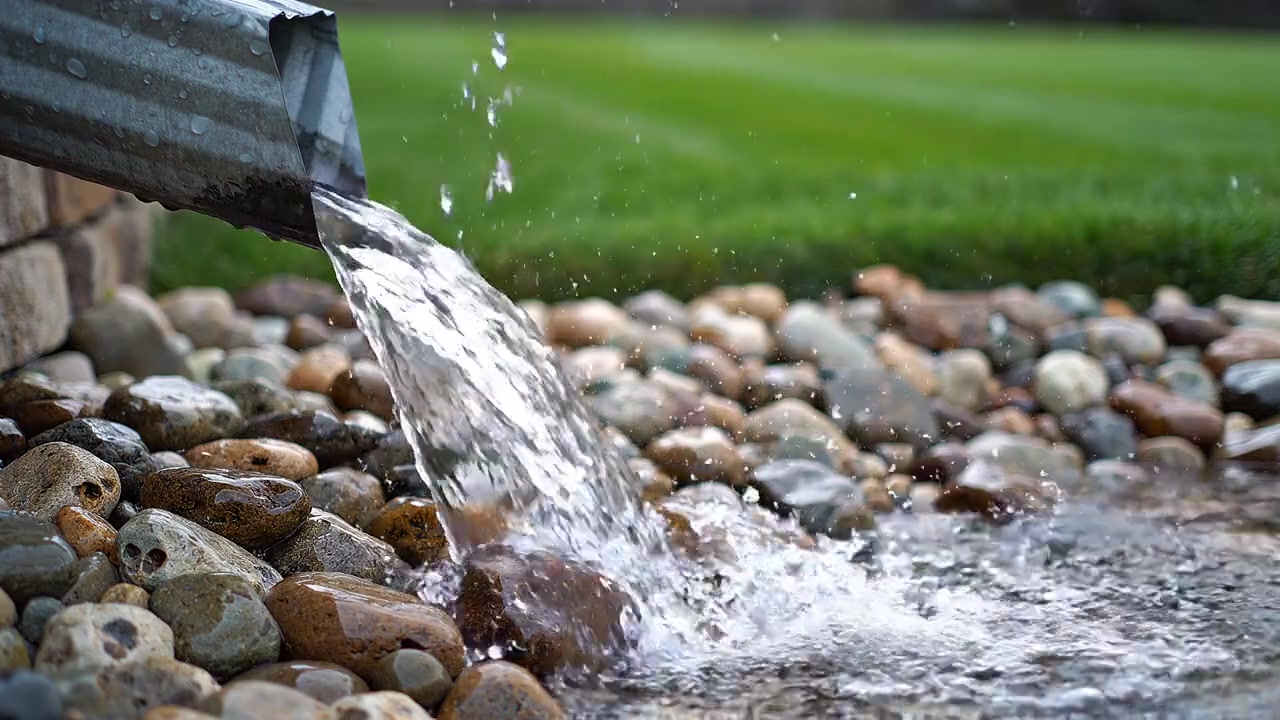
- Fascia rot hides behind the gutter, so damage is usually advanced by the time it is visible from the ground.
- Early signs: peeling paint on the board, gutters pulling loose, dark staining, and a spongy feel at the eave.
- Caught early it is a board swap; ignored, it spreads into soffit and rafter tails and multiplies the repair.
What Fascia Actually Does
The fascia is the long board that runs horizontally along the edge of your roof, just behind the gutters. It's the thing your gutters are physically screwed into. It's also what caps off the ends of your roof rafters and creates a clean finished edge where the shingles end.
When fascia is doing its job, you don't think about it. When it rots, a lot of expensive problems start at once: gutters sag or detach, water gets into the soffit, insects move in, and in bad cases, the roof deck itself starts to suffer.
How Fascia Rot Starts
Almost every fascia rot job we've ever done started with one of three things:
- Overflowing gutters. Clogged gutters let water cascade over the back edge, where it runs down the fascia board instead of into the downspout. Do that every storm for a few years and the paint fails, then the wood saturates, then it rots.
- Improperly installed gutters. Gutters pitched the wrong way, hung with bad hangers, or installed without a drip edge will trap water against the fascia constantly. This is a big one in older homes.
- Missing or damaged drip edge. The drip edge is a small metal flashing at the roof edge that's supposed to direct water into the gutter. Missing or bent drip edge lets water wick back under the shingle and down the fascia.
The Warning Signs (Rough Order of Severity)
Peeling or Bubbling Paint
Usually the first visible sign. The paint on a fascia board should last ten to fifteen years if the wood underneath is dry. If you're seeing blisters or peeling on a board that's only a few years old, water is getting in somewhere.
Dark Streaks or Staining
Dark vertical streaks on the fascia, especially behind or below a gutter joint, mean water is running down the board. If the streaks are localized to one spot, you probably have a leaking seam. If they run the whole length, your gutter is overflowing.
Visible Gaps Between Fascia and Gutter
Hangers pull out of rotted wood before the wood looks visibly bad from the ground. If you can see light or daylight where the gutter meets the fascia, the wood behind it has lost its integrity.
Sagging Gutter Sections
A gutter sagging in the middle almost always means rotted fascia behind the midspan hangers. The gutter itself is fine; the wood it's screwed into has given up.
Soft or Spongy Wood
Test it with a screwdriver if you can reach it safely. Healthy fascia feels like solid wood. Rotted fascia gives way with light pressure and feels almost mushy. This is the point where the repair is no longer optional.
Visible Insect Activity
Carpenter ants, carpenter bees, and termites love wet wood. If you see any of them near the roofline, especially ants trailing up the corner of the house, the fascia or soffit is wet enough to be a habitat. This is urgent.
Interior Signs
Water stains on the top of an exterior wall, or on the ceiling near the exterior wall, can trace back to a fascia failure. By the time water is making it inside, you're usually looking at fascia, soffit, and some sheathing work.
Why Fixing It Early Matters
Fascia is relatively inexpensive to replace if it's the only thing damaged. A few boards, some primer and paint, rehung gutters, manageable. But the longer you wait, the more the damage spreads:
- Rotted fascia allows water into the soffit. Now you're replacing both.
- Water in the soffit gets into the rafter tails. Now you're into framing repair.
- Framing repair with shingles above it usually means pulling up roofing material. Now you're partially re-roofing.
- A $800 fascia repair, left for three years, can turn into a $6,000 roof-edge rebuild.
What a Fascia Replacement Actually Involves
When we replace fascia, we remove the gutters, pull off the old rotted boards, inspect what's behind them (often the rafter tails need attention too), install new primed fascia, re-hang the gutters with fresh hangers, and seal the connection to the drip edge. Paint or capping goes on after. The visible result is a clean, straight, solid roofline, often the difference between a house that looks tired and a house that looks cared-for.
How to Prevent It Going Forward
The single best thing you can do is keep your gutters clean. Two cleanings a year for most homes. Three or four if you've got heavy tree canopy. Clean gutters don't overflow. Gutters that don't overflow don't rot out fascia. It's really that simple.
The second-best thing is installing gutter guards if clogging is chronic at your property. They reduce the frequency of required cleanings and keep overflow events rare.
If You're Seeing Any of These Signs
Don't wait. The repair is almost always cheaper today than it will be a year from now. We handle fascia and soffit replacement alongside our gutter work across Freehold, Howell, Marlboro, and the rest of Central NJ. Call (908) 242-6056 for a free honest assessment.
Frequently Asked Questions
What does fascia actually do?
Fascia is the board that caps the ends of your rafters and carries the gutter. It closes the roof edge to weather and pests, and everything about your gutter system hangs from it, literally.
What are the early signs of fascia rot?
Peeling or bubbling paint on the board, dark staining, gutters pulling away or sagging, and a soft, spongy feel if you press it. From the ground, sagging gutters are usually the first visible clue.
Why does fascia rot catch homeowners by surprise?
Because the gutter hides the board it hangs on. Water gets behind an overflowing or leaking gutter and works on the wood for seasons before anything is visible from the yard.
Is fascia rot expensive to fix?
Caught early, it is a straightforward board replacement. Ignored, it spreads into the soffit and rafter tails and multiplies the repair. The gutter usually has to come down either way, which is why we check fascia on every cleaning.