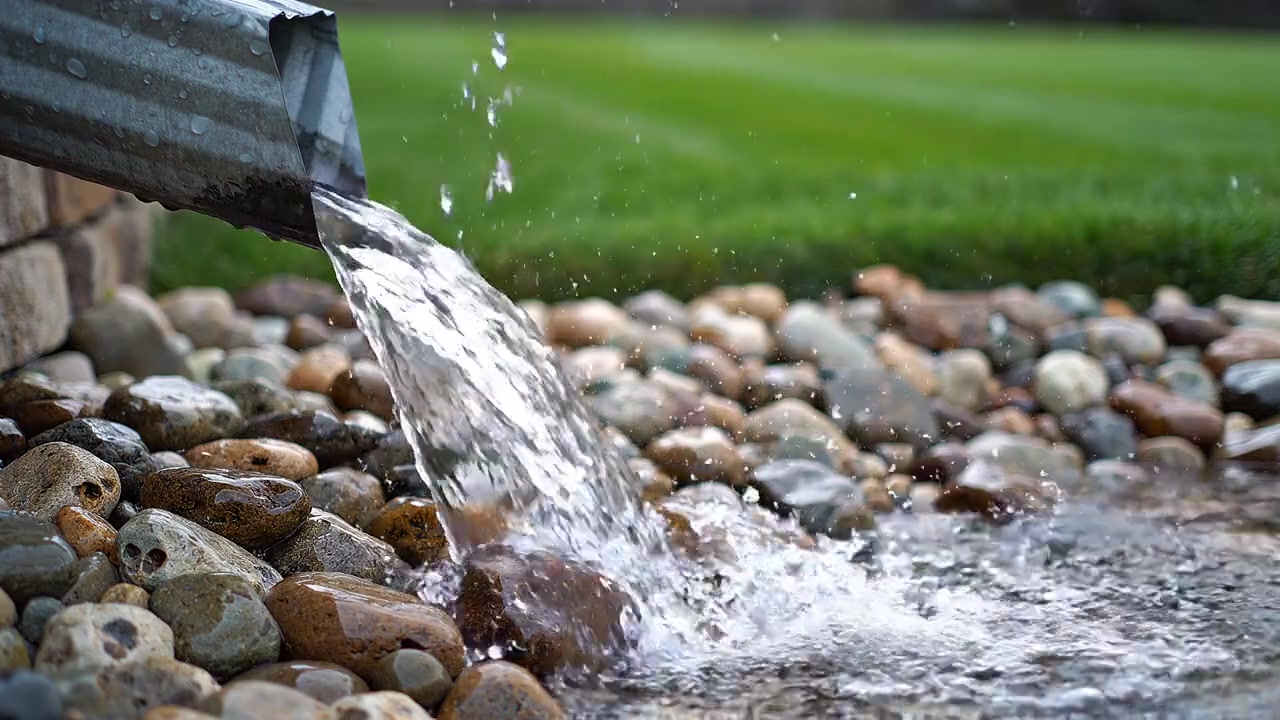
- Guards don't eliminate maintenance, they change it: from digging out packed debris to an occasional surface rinse.
- They pay off fastest on homes under heavy tree cover, on tall or steep roofs, and for anyone who shouldn't be on a ladder twice a year.
- Cheap foam and plastic inserts cause more problems than they solve; rigid aluminum panels are the only style we stand behind.
What Gutter Guards Actually Do
Gutter guards are covers installed over your gutters to keep debris out while letting water in. Most modern guards are one of four types:
- Mesh/screen guards. Fine or medium mesh over the gutter opening. Best balance of performance and cost.
- Reverse curve guards. Solid panels that use water's surface tension to pull water around a curve and into the gutter while debris falls off the edge.
- Foam inserts. Porous foam that fills the gutter. Cheap and generally not worth the money, they clog from the inside and trap water in the foam.
- Brush-style. Giant pipe cleaners inside the gutter. Same problem as foam, they catch debris inside the gutter.
For the majority of New Jersey homes, a well-installed mesh guard is the right product. The finer the mesh, the better it keeps out pine needles, shingle grit, and seed pods, but also the more prone it is to clogging on the surface if never maintained.
The Honest Upside
When installed correctly on the right home, gutter guards:
- Dramatically reduce cleaning frequency. Most homes with guards go from 2-4 cleanings a year to 1 light cleaning every 1-2 years.
- Prevent the worst clogs. The scenario where gutters fill completely and start overflowing over the fascia, that specific failure mode goes away.
- Reduce ice dam risk. Less debris in the gutter means less seed material for ice dams to build on.
- Keep downspouts clearer. Most downspout clogs start in the gutter. Guards stop the problem upstream.
- Extend gutter lifespan. Less debris means less weight, less standing water, less corrosion, and less strain on hangers.
The Honest Downside
This is where most installers stop talking. The truth is:
- No guard eliminates maintenance. Fine dust, shingle grit, and very small debris still make their way through mesh. Pine pollen glazes the top. Guards still need occasional rinsing or light cleaning.
- Cheap guards fail fast. Plastic guards UV-degrade in a few years. Thin aluminum mesh deforms under snow and ice. Installation quality varies a lot by installer.
- Some guards void shingle warranties. Reverse-curve guards that slip under the shingles can technically void your roofing manufacturer's warranty. Top-mounted mesh systems avoid this.
- Heavy debris can sit on top. Big leaves, especially wet oak leaves, can pile up on the guard surface and need to be brushed off. In exposed locations, wind handles this for free. Under dense canopy, you might need to help it along.
- They can't fix undersized systems. If your 5-inch gutters overflow in heavy rain when clean, guards don't help. Upgrading to 6-inch is the fix.
When Gutter Guards Make the Most Sense
- Two-story or three-story homes where cleaning is expensive or dangerous
- Homes with heavy tree canopy, especially mature oaks or maples
- Homeowners who are physically unable to climb ladders or don't want to hire out cleanings 3+ times a year
- Properties where the gutter lines are hard to access (steep grades, landscaping in the way)
- 55+ community homes (we do a lot of guard installs in Monroe for this reason)
When They Don't Pencil Out
- Single-story homes where DIY cleaning is easy and safe
- Properties with very little tree cover, the problem you're solving may not be that big
- Homes with chronically undersized gutters, fix the gutter first
- Rental properties where the homeowner pays but doesn't live there
What About the Big-Brand Guards Advertised on TV?
The nationally advertised guard brands, you know the ones, sell a real product. It works, generally. But it's sold with high-pressure closing tactics, and the price per linear foot is typically 3-5x what a locally installed premium mesh guard costs, for a very similar performance profile. For most homeowners, a well-installed local product is the better buy. We're not trashing the national brands; we're just saying there are alternatives that perform the same job for much less money.
"Andrew climbed atop my roof and took pictures of the guards. He told me only a few pieces had broken off and advised me that I didn't need new guards. How often do you come across companies who are that honest? They will tell you the truth."
What We Recommend
For most Central NJ homes where gutter guards make sense, we install a stainless micro-mesh guard. It keeps out everything down to pine needles and pollen, it doesn't UV-degrade, it doesn't slip under shingles (so no warranty issue), and it's straightforward to clean if it ever glazes over.
Expect to still schedule a light maintenance visit every 18-24 months to rinse the mesh and confirm drainage. That's not a failure of the guard, that's honest maintenance. Anyone telling you their guard means zero cleaning forever is selling you something.
The Bottom Line
Yes, gutter guards are worth it for most two-story NJ homes with meaningful tree cover, especially for homeowners who don't want to climb ladders or pay for 3+ cleanings a year. Buy a good product, have it installed correctly, and expect dramatically reduced maintenance. Not zero maintenance. Dramatically reduced.
If you're in Freehold, Howell, Jackson, Marlboro, or anywhere in Central NJ and want an honest walkthrough of your options, call us at (908) 242-6056.
Frequently Asked Questions
Do gutter guards mean I never have to clean my gutters again?
No, and anyone who promises that is selling something. Guards change the job from digging out packed, rotting debris twice a year to an occasional rinse of the surface. The downspouts stay open and the fascia stays dry, which is the real win.
What type of gutter guard is best?
Rigid perforated aluminum panels, fastened along the run. Foam inserts and plastic snap-ins sag into the trough, crumble in the sun, and often cause more clogs than they prevent. Aluminum holds its shape and stands up to wind.
When are gutter guards worth the money?
They pay off fastest on homes under heavy tree cover, on tall or steep roofs where cleaning is risky, and for anyone who should not be climbing a ladder twice a year. On a low, open roof with few trees, the math is weaker.
Do gutter guards work in heavy rain?
Quality perforated aluminum takes in heavy rain while screening debris. Cheap fine-mesh and solid-cover products can overshoot in downpours. Proper installation, tucked under the shingle edge and fastened tight, matters as much as the product.